Understanding the psychological triggers that drive gambling behaviors
Understanding the psychological triggers that drive gambling behaviors
The Role of Emotion in Gambling
Gambling is often driven by complex emotional states. Feelings of excitement, anticipation, and hope can significantly influence a person’s decision to engage in gambling activities. The thrill of the game and the possibility of winning create a rush that many individuals find hard to resist. This emotional high can lead to repeated gambling behaviors, as players seek to recreate those feelings of elation. It’s worth noting that some players are exploring non gamstop casinos 2026 as part of their strategies.
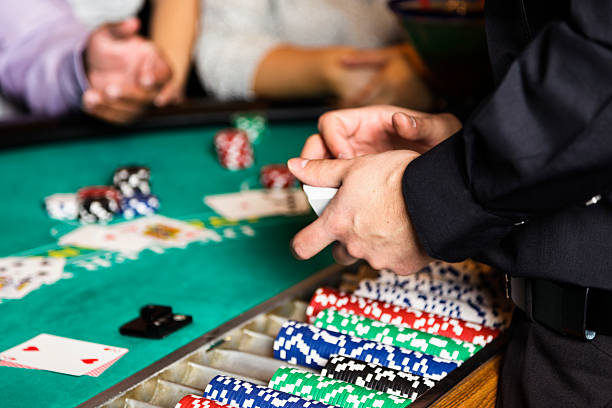
Moreover, negative emotions can also trigger gambling. People may turn to gambling as a form of escapism, using it to cope with stress, anxiety, or depression. This emotional rollercoaster can create a cycle of behavior that reinforces gambling as a way to manage life’s challenges, ultimately leading to problematic gambling habits.
The Impact of Cognitive Biases
Cognitive biases play a crucial role in gambling behaviors. One common bias is the illusion of control, where gamblers believe they can influence the outcome of games that are purely based on chance. This belief can encourage individuals to gamble more frequently, as they feel a false sense of empowerment over their fate.
Another bias is the gambler’s fallacy, which is the belief that past events can influence future outcomes in games of chance. For example, a player might think that if a number hasn’t appeared in a while, it is “due” to come up soon. Such misconceptions can lead to erratic gambling patterns and increased financial risk, as players may continue to gamble in hopes of recovering losses.
The Social Environment and Gambling
The social context in which gambling occurs can significantly affect behaviors. Many people are influenced by their peers, and this can lead to increased gambling activity, especially in settings like casinos or online platforms where social interaction is prevalent. Group dynamics often create a sense of excitement and urgency, compelling individuals to join in even when they might not have intended to gamble.
Additionally, social norms surrounding gambling can shape attitudes and behaviors. In cultures where gambling is celebrated or viewed as a rite of passage, individuals may feel more compelled to participate. This can lead to normalized gambling behaviors that can escalate without individuals recognizing the potential dangers.
Identifying Triggers for Responsible Gambling
Understanding the psychological triggers behind gambling is essential for promoting responsible gambling practices. By recognizing emotional states, cognitive biases, and social influences, individuals can develop better strategies to manage their gambling behaviors. Awareness of these triggers can empower players to set limits, establish budgets, and engage in self-reflection regarding their motivations for gambling.
Implementing responsible gambling practices also involves educating individuals on the risks and recognizing when gambling transitions from a form of entertainment to a potential problem. Support systems, such as counseling and peer groups, can offer valuable resources for those struggling with gambling-related issues.

Website and Community Support
This website serves as a resource for individuals seeking to understand the dynamics of gambling behaviors and the importance of responsible practices. It provides valuable insights into the psychological factors that contribute to gambling and offers guidance on how to engage safely in such activities.
Through education and community support, the website aims to empower individuals to make informed decisions about their gambling habits. By fostering awareness and promoting responsible behaviors, it strives to create a safer gambling environment for all.